Proximal Tibia Plate Introduction
Imagine a young athlete who loves playing football. One day, after a tough tackle, he falls badly and suffers a fracture just below his knee. This part of the bone the proximal tibia is a tricky spot. It carries body weight, it connects to the knee joint, and when it breaks, it’s not just painful but also complicated to fix.
In such cases, surgeons rely on a special tool: Medifit Proximal Tibia Plate. This small but powerful implant plays a big role in restoring mobility, stability, and confidence. Let’s walk through the story of this implant—what it is, why it matters, and how it helps patients get back on their feet.
What is a Medifit Proximal Tibia Plate?
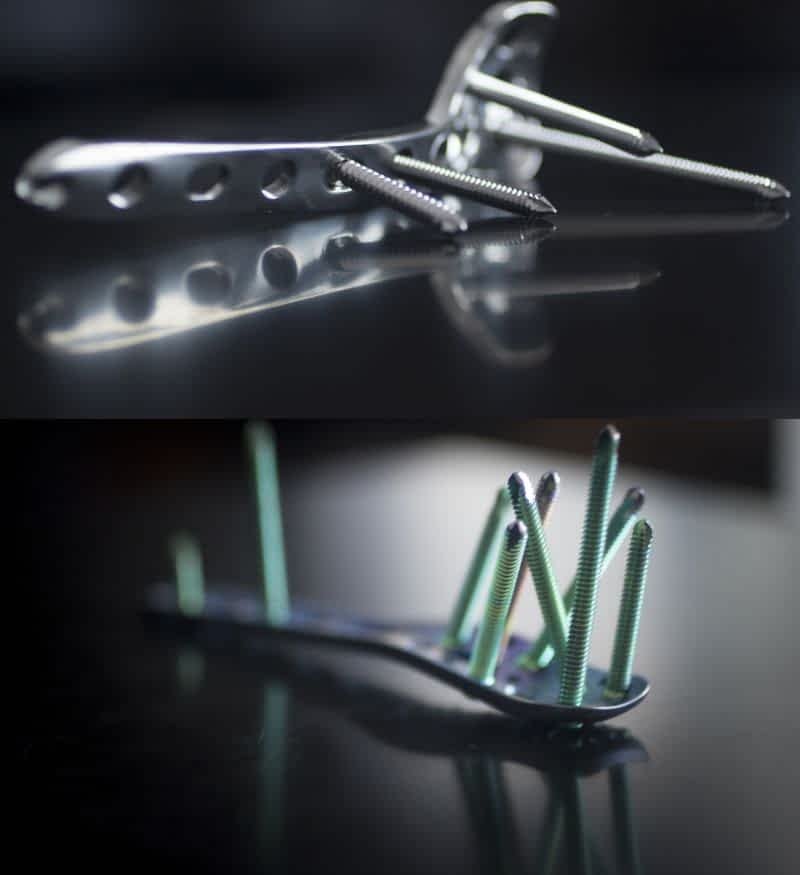
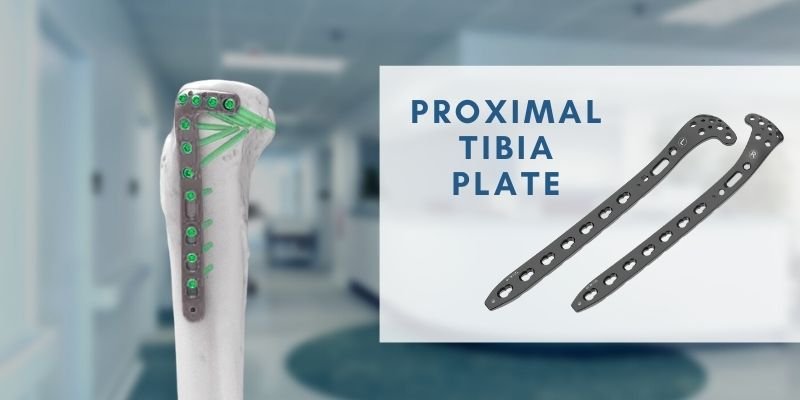
Think of the tibia plate as a strong but gentle supporter. It’s carefully designed from stainless steel or titanium, shaped to match the natural curves of the upper tibia. Surgeons attach it with screws that act like anchors, holding broken bone pieces together while nature does its work of healing.
It’s not just any piece of metal—it’s a device shaped by years of innovation, designed to reduce irritation, fit snugly against the bone, and offer strength where the body needs it most.
Features that Make a Difference
The Benefits in Real Life
For our injured football player, the proximal tibia plate means:
- His bone stays perfectly aligned while it heals.
- He can begin moving his knee earlier, reducing stiffness.
- Even though the fracture was complex and multi-fragmented, the plate keeps everything stable.
- Most importantly, it lowers the risk of improper healing, giving him the best chance to get back on the field.
When Surgeons Use It
- Tibial plateau fractures (involving the knee joint surface).
- Comminuted fractures (bones broken into many pieces).
- Osteoporotic bones, where strength is reduced.
- Fractures that didn’t heal right the first time (nonunion/malunion).
A Quick Look at the Surgery
- The surgeon makes a careful incision to expose the fracture.
- The broken bone is aligned back into its natural shape.
- The plate is placed on the side of the tibia.
- Screws are fixed—some to press the plate close, others to lock everything securely.
- The incision is closed, and soon, rehabilitation begins.
Why Medifit Devices?
At Medifit Devices, we are proud to be part of countless recovery stories like this. Our Proximal Tibia Plates are engineered with precision, tested for strength, and trusted by surgeons around the world.
Behind every plate we make, there’s not just technology—but also a vision: helping people walk again, run again, and live without limits. From rigorous quality checks to global distribution, we ensure that patients and doctors alike can rely on us.
Medifit Devices – Trusted Worldwide for Quality, Innovation, and Care.